Faculty

Marcia Haigis

Marcia C. Haigis, Ph.D.

Why does cancer risk increase exponentially with age? Is there a molecular signature of aging and cancer? What are the age-dependent targets in cancer? The Haigis lab has been studying the genetics of human cancer from young or aged individuals to identify signatures that are age-dependent and causal for cancer risk.

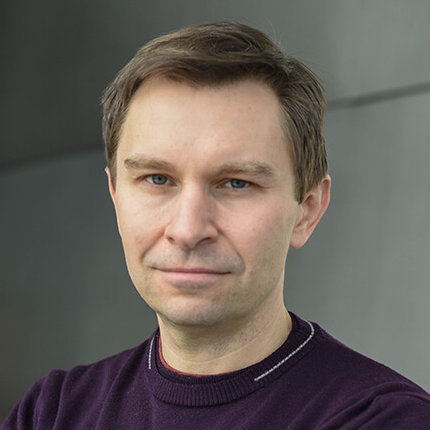
David Sinclair

David A. Sinclair, A.O., Ph.D

The Sinclair Lab has provided evidence that epigenetic changes are a conserved cause of aging. The RCM Hypothesis posits that aging involves epigenetic dysregulation due to the redistribution of chromatin-modifying proteins to DNA damage sites, altering gene expression and cellular identity.

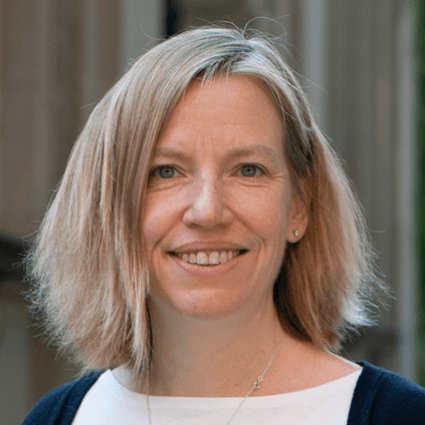
Amy Wagers

Amy J. Wagers, Ph.D.

Research in the Wagers lab is focused on uncovering the cellular and molecular underpinnings of stem cell functions and inter-tissue communication signals that are involved in the disruptions of tissue maintenance and repair that frequently occur in aging organs. 

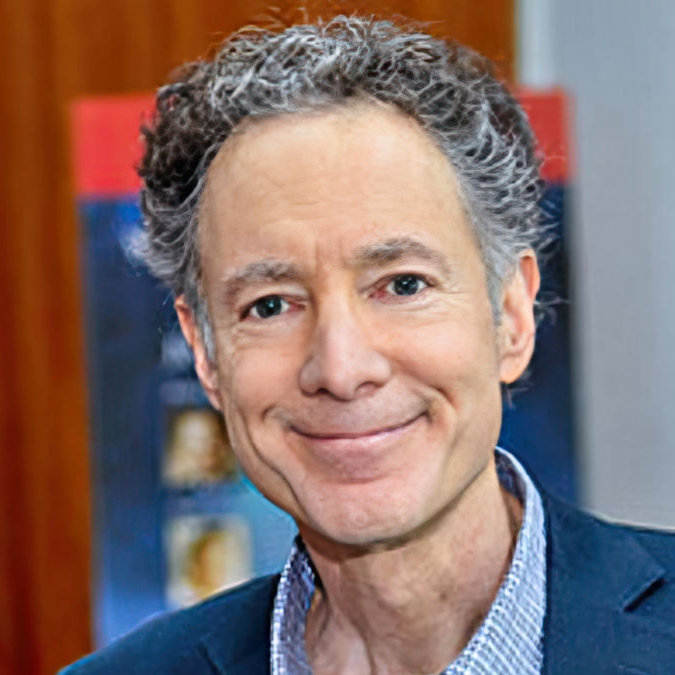
Bruce Yankner

Bruce Yankner, M.D., Ph.D

The Yankner lab discovered that the REST transcriptional repressor plays a central role in the aging human brain.  REST is activated in a variety of aging brain cell types during aging, regulating a stress resistance gene network that protects that brain from a variety of oxidative, proteostatic and metabolic stressors.